


Every year on April 2, the world comes together to recognize World Autism Awareness Day, a global initiative dedicated to increasing understanding, acceptance, and support for people with autism. Today, April 2, 2026, communities across the United States join the world in observing World Autism Day 2026. The United Nations has chosen the theme “Autism and Humanity Every Life Has Value” for this year’s observance, reminding us that every autistic individual contributes uniquely to our shared human story.
Autism is not a limitation; it’s a different way of experiencing and interacting with the world. In the United States, where approximately 1 in 31 children aged eight has been identified with autism spectrum disorder (ASD), Today, all the families, educators, employers, and neighbors are coming together to celebrate neurodiversity, challenge outdated stereotypes, and create environments where autistic people can grow.
This article helps you to explore the history of the day, the 2026 theme, the latest U.S. statistics, and most importantly, how everyday Americans can participate meaningfully during Autism Acceptance Month.
Table of Contents
The History of World Autism Day
World Autism Awareness Day was officially established by the United Nations on April 2 in 2007 to highlight the global awareness about autism as a pressing health issue while promoting the full participation of autistic individuals in society. Since then, the day has evolved from simple awareness campaigns to a broader movement focused on acceptance, inclusion, and rights.
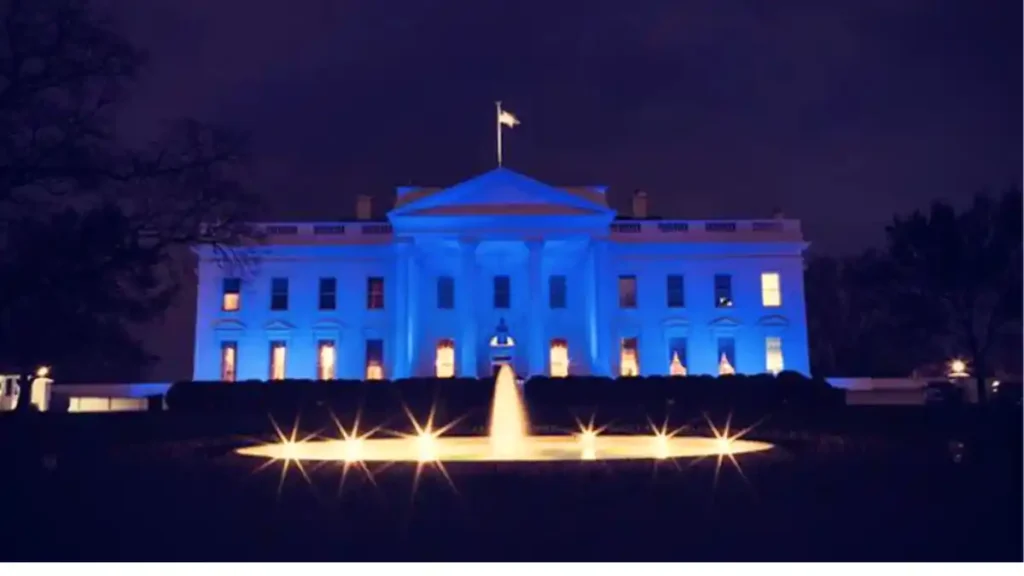
In the United States, organizations like Autism Speaks and the Autism Society of America have played major roles in supporting autistic people and their families. In past years, famous landmarks such as the Empire State Building and the White House have been “lit up blue” to show support. This blue lighting tradition continues to symbolize care and solidarity.
However, the conversation has changed over time. Many autistic self-advocates and groups now prefer to call April Autism Acceptance Month. They want to focus on respect for neurodivergent identities instead of just raising awareness.
By 2026, the focus has become even clearer and stronger. This year’s theme, “Autism and Humanity – Every Life Has Value,” directly fights against misinformation. It calls for real policies that protect the dignity of autistic people in healthcare, education, employment, and everyday community life.

The 2026 Theme: “Autism and Humanity – Every Life Has Value“
This year’s United Nations theme was chosen in partnership with the Institute of Neurodiversity (ION). It is a powerful message that says: autistic lives are not problems to be solved. Instead, they are valuable parts of humanity’s rich and beautiful diversity.
At a time when some old and negative ideas about autism are coming back, this theme encourages us to reject those limiting views. It asks everyone to recognize and embrace the worth of every person.
For Americans, this means much more than simply posting a blue ribbon on social media. It means actively supporting inclusive classrooms where autistic students get the help they need without facing stigma. It means creating workplaces that value the unique strengths many autistic people bring, such as strong focus, excellent pattern recognition, and honesty. It also means building communities with sensory-friendly spaces so that everyone can fully enjoy local events, from Little League games to town festivals.
The Autism Society of America supports this message with its own 2026 Autism Acceptance Month campaign called “Celebrate Differences.” Together, these powerful messages encourage the United States to lead by example and create a society where neurodiversity is seen as a true strength.
Autism in the United States: Latest CDC Statistics
Recent data from the Centers for Disease Control and Prevention (CDC) paints a clear picture of autism prevalence in America. According to the 2025 Community Report on Autism (covering 2022 data), about 1 in 31 (3.2%) eight-year-old children across 16 monitored sites have been identified with “autism spectrum disorder” (ASD). This represents an increase from previous estimates, largely attributed to better screening, greater awareness, and improved access to diagnostic services.
Boys are diagnosed with autism about 3.4 times more often than girls. However, experts believe many girls may be under diagnosed because their symptoms often look different. Importantly, the latest data shows that the gap in diagnosis rates is narrowing across different racial and ethnic groups. This is a sign of progress in fairer screening. Still, many families continue to face challenges in actually getting services and support.
These numbers mean that millions of Americans live with autism, children and adults alike. Experts estimate that about 1 in 45 adults are autistic. For families in states like California and New Jersey, as well as in rural communities across the Midwest, early intervention programs, school Individualized Education Programs (IEPs), and adult transition services are very important lifelines.
Why Awareness and Acceptance Matter in America
Autism is not a rare condition. It affects nearly every neighborhood, school, and workplace in America. Yet many autistic individuals and their families still face serious challenges. These include long waitlists for therapies, employment discrimination, and feelings of social isolation. World Autism Day 2026 gives us a strong platform to face these issues directly. It means understanding that autistic people communicate, learn, and experience the world differently, and that this difference is not a weakness. When schools use universal learning design, when employers offer flexible work options, and when communities organize sensory-friendly events, everyone benefits. Teams that include neurodiverse people often bring more innovation, better problem-solving, and fresh creativity.
In the United States, important federal laws like the Individuals with Disabilities Education Act (IDEA) and the Americans with Disabilities Act (ADA) offer basic protections. However, real change happens locally, through strong parent-teacher partnerships, business training programs, and simple neighborly understanding.
How Americans Can Participate in World Autism Day 2026
Participation is easier than you might think, and every action counts. Here are practical, impactful ways U.S. residents can get involved today and throughout Autism Acceptance Month:
Light It Up Blue and Share Responsibly: Many cities and businesses will illuminate landmarks in blue. Share photos on social media using hashtags such as #WorldAutismDay2026 and #AutismAcceptance, but always center autistic voices.
Attend or Host Local Events: Check for gatherings near you. Examples include California’s virtual advocate panel on April 2, Omaha’s in-person celebration on April 4 at Gene Leahy Mall, and New York City’s virtual Autism Acceptance Day event. Many Autism Speaks chapters and Autism Society affiliates host walks, workshops, and sensory-friendly activities.
Educate Yourself and Others: Read books by autistic authors, watch documentaries featuring self-advocates, or explore free resources from the CDC and Autism Society. Share accurate information to combat myths.
Support Autistic-Led Organizations: Donate to or volunteer with groups run by autistic people. Advocate for continued funding of the Autism CARES Act through letters to your congressional representatives.
Make Your Space Inclusive: At home, school, or work, implement simple changes: quiet corners, clear communication tools, or flexible schedules. Businesses can offer autism-friendly shopping hours.
Amplify Autistic Voices: Follow and share content created by autistic Americans. Their perspectives are the most powerful tool for genuine understanding.

Challenges and Progress toward Inclusion
Despite the progress that has been made, many challenges still remain.
Many families have to wait months just to get a diagnosis for their child. Adults with autism often face difficulties finding and keeping jobs. Unemployment rates among autistic people are still quite high, even though many have valuable skills and talents.People living in rural areas face even more barriers because specialized services are limited or far away.
However, real progress is happening. More schools are now training teachers in neurodiversity-affirming practices. Many large companies are starting autism hiring programs. Telehealth services have also made therapy more accessible, especially since the pandemic. The 2026 theme encourages lawmakers and policymakers to support the United Nations Sustainable Development Goals. This will help ensure that autistic Americans get equal opportunities in education and employment.
Resources for Autistic People and Their Families in the United States
CDC Autism Information: Latest data and early signs.
Autism Society of America: Local chapters and “Celebrate Differences” toolkits.
Autism Speaks: Resource library and World Autism Month events.
Autistic Self Advocacy Network (ASAN): Led by autistic people for policy change.
State Developmental Disabilities Councils: Find local support and waiver programs.
FAQ
What is the official theme for World Autism Day 2026?
The United Nations theme is “Autism and Humanity – Every Life Has Value,” emphasizing dignity and inclusion for all autistic people.
How does autism prevalence differ in the United States?
The CDC reports that 1 in 31 eight-year-old children has been identified with ASD. Rates vary by state and community, with improved identification across demographics.
Is World Autism Day the same as Autism Acceptance Month?
World Autism Day is April 2; the entire month of April is Autism Acceptance Month in the U.S., led by the Autism Society with the theme “Celebrate Differences.”
How can I participate if I live in a small town?
Host a virtual watch party of the UN event, share educational posts, wear blue, or organize a school assembly. Online resources make participation possible anywhere.
Are there specific events happening today in the United States?
Yes, virtual panels in California and New York, community gatherings in Nebraska, and hundreds of local activities organized by Autism Speaks chapters and Autism Society affiliates.
What is the best way to support an autistic family member or friend?
Listen without judgment, respect their communication preferences, and advocate for inclusive environments rather than trying to “fix” them.
Conclusion
World Autism Day 2026 is not just another observance; it is a nationwide opportunity for Americans to affirm that every life truly has value. By embracing the UN theme and the Autism Society’s call to “Celebrate Differences,” we move closer to a society where autistic individuals are not merely included but truly belong.
Whether you light up your porch in blue, attend a local event, or simply commit to learning one new fact about neurodiversity today, your actions matter. Together, families, schools, businesses, and communities across the United States can build a future defined by acceptance, opportunity, and respect.