


Measles, once considered an eliminated disease in the United States, has returned with force and is causing trouble in 2026. As of late March 2026, the CDC has confirmed 1,575 cases nationwide, a sharp rise fueled by ongoing outbreaks that began in 2025. Nearly 94% of these cases are linked to outbreaks, with South Carolina reporting the highest numbers (over 997 cases in one hotspot alone). This highly contagious airborne viral illness spreads from person to person through respiration.
This comprehensive guide covers everything you need to know about early symptoms, what the rash really looks like, how contagious the virus is, the latest 2026 vaccine schedule, and proven steps to protect your family.
Table of Contents
What Is Measles and Why Is It Back in 2026?
Measles is a highly contagious respiratory virus caused by the measles morbillivirus (or rubeola viruse). It spreads through airborne droplets when an infected person coughs, sneezes, or even talks. According to studies the virus can linger in the air for up to two hours after the person leaves the room.
In year 2000, the US declared measles disease is eliminated all across the United States, thanks to widespread MMR vaccination. But vaccine coverage has dipped in recent years due to hesitancy, and missed appointments during the pandemic, etc. So, in 2025 saw a 33-year high of roughly 2,285 cases, and 2026 is already on track to challenge that record.
Early Signs & Symptoms of Measles:
Measles symptoms usually appear 7–14 days after exposure (incubation can stretch to 21 days). The illness progresses in clear stages:
Early (prodrome) stage (2-4 days): High fever (often 104°F/40°C or higher), cough, runny nose, and red, watery eyes.
Koplik spots: Tiny white spots inside the cheeks, appearing 1–2 days before the rash. They’re a telltale sign but easy to miss.
Rash stage: Starts on the face and hairline, then spreads downward to the trunk, arms, and legs over 3-5 days. The rash is flat, red, and blotchy spots that often merge.
Adults tend to experience more severe symptoms than children, including higher fever and longer recovery. Infants and pregnant women face the greatest risks.
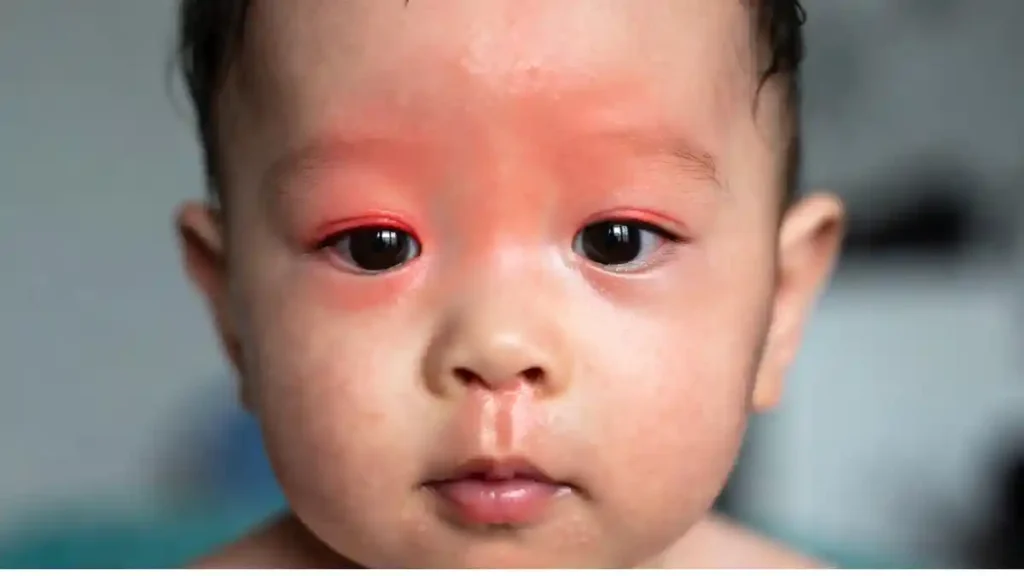
The Measles Rash: Early Stages and What It Looks Like
The measles rash is unmistakable once it fully develops, but the early stages can be confused with other illnesses.
Day 1 of rash: Small red macules (flat spots) begin behind the ears and on the forehead.
Days 2–3: Spots spread to the face, neck, and upper chest. They become raised and may merge into larger patches.
Later days: Rash reaches legs and feet; it fades in the same order it appeared, sometimes leaving temporary brown discoloration.
Unlike chickenpox (itchy, fluid-filled blisters at different stages), measles rash is non-itchy at first and appears all at once in waves.
How Measles Spreads So Rapidly
Measles holds one of the highest contagion rates of any disease. Key facts:
- Up to 9 out of 10 unvaccinated people exposed to the virus will become infected.
- The virus spreads through airborne droplets from coughing, sneezing, or talking.
- It can remain suspended in the air for up to 2 hours after an infected person leaves the area.
- Individuals are contagious starting 4 days before the rash appears and continuing until 4 days after, within an 8-day window during which they may show few or no obvious symptoms.
Transmission, Risk Factors, and 2026 Hotspots
The virus travels through the air and on surfaces. It’s especially dangerous in schools, daycares, airports, and religious gatherings where people are in close quarters.
Highest-risk groups in 2026:
- Unvaccinated or under-vaccinated children under 5.
- Adults born after 1957 without documented immunity.
- Pregnant women and immunocompromised individuals.
Measles Treatment and Recovery
There is no specific antiviral medication for measles. Supportive care focuses on symptom relief and complication prevention:
- Plenty of rest and hydration.
- Fever management with acetaminophen or ibuprofen (avoid aspirin in children).
- Vitamin A supplementation in certain cases, as recommended by healthcare providers.
- Monitoring for secondary bacterial infections.
Most people recover within 7-10 days for acute symptoms, though full energy restoration can take 2-3 weeks.
Measles in Adults Versus Children
While children experience higher infection rates overall, adults often face more intense symptoms and greater complication risks. Children may recover faster in uncomplicated cases, but infants under 1 year remain especially vulnerable. Adults over 20 frequently endure higher fevers, prolonged illness, and elevated chances of pneumonia or encephalitis.

How to Prevent Measles Effectively
Prevention centers on vaccination and smart habits:
- Ensure you and your family complete the MMR series on schedule.
- Check immunity status for adults born after 1957 if records are unclear (a simple blood test or additional dose may be advised).
- Practice good hand hygiene and avoid close contact during known outbreaks.
- Stay informed about local health alerts.
- For international travel, confirm vaccination well in advance and review destination outbreak information.
Post-exposure measures, such as timely MMR vaccination within 72 hours of known contact, can sometimes prevent or mitigate illness.
Conclusion: Prevention Is the Best Protection
The 2025–2026 measles resurgence underscores that this preventable disease still carries significant risks in today’s world. By maintaining high vaccination rates and staying vigilant, families and communities can reduce the threat substantially.
Check your vaccination records today, consult your doctor or pediatrician with any concerns, and help spread accurate information. Together, we can limit the impact of future outbreaks.
FAQ
What are the first signs of measles?
The first signs include fever, cough, runny nose, and red eyes, followed by white spots in the mouth
How long is measles contagious?
A person is contagious about 4 days before and after the rash appears.
Can vaccinated people get measles?
It’s rare, but possible. However, symptoms are usually much milder.
Is measles dangerous for adults?
Yes, adults are more likely to experience severe complications.
How long does measles last?
Most cases resolve within 2–3 weeks.