


Stress Relief: If you are feeling overwhelmed, remember you are not alone. In 2026, stress is something almost everyone deals with between demanding jobs, family obligations, endless notifications, and news and social media. Stress has become a daily reality for millions of Americans. But the good news is that simple stress relief techniques can help you calm your mind fast and feel more in control.
This comprehensive guide shares practical, science-backed stress-relief techniques to help you calm your mind fast. Whether you are looking for quick stress relief during a hectic workday or long-term stress management tips to build lasting resilience, these simple strategies can make a real difference in how you feel every day.
Table of Contents
Why Effective Stress Relief Matters More than Ever in 2026
Stress is not just a distressing emotion; it triggers real physical and mental changes. When you are under stress, your body releases the hormones “cortisol” and “adrenaline.” It raises your heart rate and tightens muscles, but when stress becomes chronic, it can lead to anxiety, poor sleep, weakened immunity, fatigue, and even more serious health concerns.
The good news is that consistent stress relief techniques can reverse many of these effects. They help lower stress hormones, improve focus and decision-making, boost mood through natural endorphins, and support better emotional balance.
In 2026, awareness around mental health continues to grow rapidly. As a result, more people now prefer simple and holistic ways to manage stress. These methods fit easily into daily life. You do not need therapy sessions or expensive tools to feel better.
Deep Breathing Exercises: Your Fastest Tool for Instant Calm
One of the quickest and most effective stress relief techniques is deep breathing. It activates your body’s natural relaxation response, slowing your heart rate and signaling your nervous system to calm down.
Try the 4-7-8 Breathing Technique (Popular in 2026):
- Sit or lie comfortably and close your eyes.
- Inhale quietly through your nose for a count of 4.
- Hold your breath for a count of 7.
- Exhale completely through your mouth (making a whoosh sound) for a count of 8.
Repeat this cycle 4-8 times. Many people feel noticeable relief within just 2-3 minutes. Use it when you feel overwhelmed, for example, in traffic, or when anxiety spikes. It’s discreet, free, and works almost anywhere.
Another simple option is box breathing (used by athletes and first responders): Inhale for 4 seconds, hold for 4 seconds, exhale for 4 seconds, and hold for 4 seconds. Practice daily for 5 minutes to build the habit.
Mindfulness and Meditation for Mental Clarity and Focus
Mindfulness keeps you anchored in the present moment instead of worrying about the past or future. In 2026, daily mental hygiene practices like short mindfulness sessions are trending as people combat “brain rot” from constant overstimulation.
Easy 5–10 Minute Mindfulness Practice:
- Sit quietly and focus on your natural breath.
- When thoughts arise (they always do), notice them without judgment and gently return your attention to your breathing.
- You can also try a body scan: mentally check in with each part of your body from toes to head, releasing any tension you notice.
overthinkingStart with just 5 minutes a day. Apps or free YouTube guided sessions can help beginners. Over time, regular mindfulness improves emotional regulation, reduces over thinking, and even lowers symptoms of anxiety and depression.

Physical Movement: Release Endorphins Naturally
Exercise is always one of the most powerful natural stress relievers. Movement boosts endorphin (your body’s feel-good chemicals), which reduces muscle tension and improves sleep quality.
Best Stress-Relief Activities for Busy Schedules:
- A 20-minute walk outdoors (bonus: sunlight helps regulate mood and sleep)
- Gentle yoga or stretching routines
- Light jogging, cycling, or dancing to your favorite playlist
- Quick home workouts using bodyweight exercises
You don’t need intense gym sessions. Even simple exercise during the day, such as taking the stairs or doing desk stretches, can help relieve stress. Aim for at least 20-30 minutes a day. In 2026, Experts emphasize going outdoors daily, as fresh air and natural light regulate stress hormones more rapidly than many wellness tools.
Nutrition Habits That Support a Calmer Mind
What you eat directly influences your stress levels and emotional stability. Balanced blood sugar prevents energy crashes that worsen anxiety.
Stress-Reducing Foods to Include Regularly:
- Leafy greens like spinach and kale (rich in magnesium, which supports relaxation)
- Nuts and seeds (almonds, walnuts, pumpkin seeds)
- Berries, citrus fruits, and bananas (packed with vitamins and antioxidants)
- Whole grains such as oats and quinoa
- Fatty fish or plant-based omega-3 sources
Limit excessive sugar, caffeine (especially after noon), and highly processed foods, which can spike blood sugar in your body. Staying hydrated also matters; dehydration can mimic or amplify stress symptoms.
Digital Detox Strategies for Mental Space
Constant screen time and notifications contribute significantly to feeling tired and overwhelmed. A simple digital detox helps to reduce your brain stress level.
Practical Digital Detox Tips for 2026:
- Turn off non-essential notifications during focused work or family time
- Create “no-screen” zones or hours, especially 1 hour before bed
- Set daily screen time limits and take regular micro-breaks
- Replace scrolling with offline activities like reading a physical book or listening to music
Reducing digital overload often leads to better sleep, improved concentration, and a greater sense of calm. Many people notice they feel less anxious after just a few days of mindful tech use.
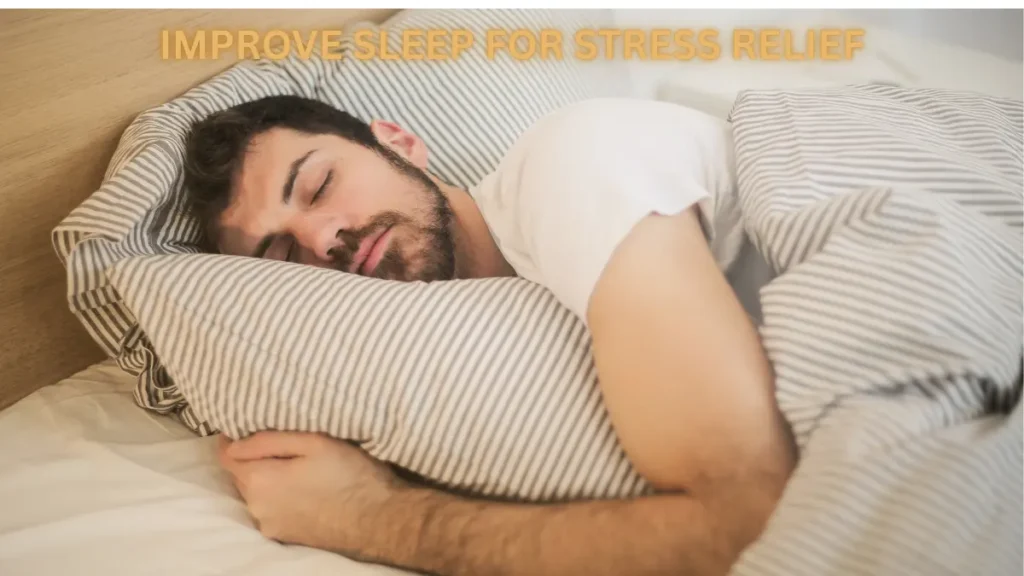
Prioritize Quality Sleep for Stress Recovery
Poor sleep and excessive stress create a vicious cycle. When well-rested, you handle challenges with more patience and clarity.
Actionable Sleep Tips:
- Stick to a consistent sleep schedule, even on weekends (7-9 hours of quality sleep a day)
- Develop a calming bedtime routine (light reading, stretching, or herbal tea)
- Keep your bedroom cool, dark, and quiet
- Avoid heavy meals, caffeine, and screens close to bedtime
Build Social Connections and Seek Emotional Support
Humans are wired for connection. Talking with trusted people reduces feelings of isolation and provides fresh perspectives.
Simple Ways to Strengthen Support Networks:
- Schedule regular calls or coffee meetups with friends or family
- Join local clubs, walking groups, hobby communities, or online forums
- Practice small acts of kindness—helping others can boost your own mood
- Consider professional support like therapy when stress feels overwhelming (normalizing therapy is a positive trend in 2026)
Even brief conversations can lighten your emotional load significantly.
Time Management and Daily Routines to Prevent Overwhelm
Feeling constantly behind is a major stress trigger. Simple organization strategies restore a sense of control.
Effective Time Management Tips:
- Start each day with a short to-do list of 3-5 priority tasks
- Use techniques like the Pomodoro method (25 minutes focused work and 5-minute break)
- Schedule short breaks and buffer time between activities
- Learn to say “no” to non-essential commitments
Creating predictable routines (morning anchors or evening wind-downs) reduces decision fatigue and background stress.
Additional Quick Stress Relief Techniques for 2026
Gratitude Practice: Write down 3 things you’re thankful for each evening. This simple habit shifts focus toward positives and improves mood over time.
Play and Fun: Make time for hobbies, laughter, or silly activities. Play isn’t just for kids; it reduces stress and builds resilience.
Music and Singing: Listening or singing favorite songs lowers “cortisol” and lifts spirits. Group singing offers even greater benefits.
Building a Sustainable Stress-Free Lifestyle
Stress will always be part of life, but you don’t have to let it control your days. The secret is to start small and stay consistent. Pick just 1 or 2 techniques that feel easy for you, like morning deep breathing or a short evening walk. Add one more habit when you’re ready.
Try combining simple methods: pair deep breathing with a daily walk, eat nourishing food, get good sleep, and talk to friends when you need support. Over time, these small changes add up and help you feel calmer, happier, and more in control.
In 2026, real wellness comes from simple daily habits you can actually stick with. You have the power to create a more peaceful life. Start today with just one deep breath or a quick walk. Small steps lead to big results. You deserve to feel calm and at peace.