
Why Pimples Appear Overnight and How to Stop Them Fast
Introduction
Waking up in the morning with a new pimple can feel incredibly frustrating. Your skin looked perfectly fine the night before, and the next morning, a red, swollen bump had suddenly appeared; it’s not a surprise. If you’ve ever asked yourself why do pimples appear overnight, you are finding a very common skin mystery.
The truth is that pimples don’t actually form in just a few hours. The process usually begins days or even weeks earlier deep inside the hair follicle. However, the final stages of inflammation and swelling can accelerate during sleep, making the blemish seem to “pop up” suddenly. Factors like hormone shifts, oil production, bacteria activity, and your nighttime habits all play a role in pushing a hidden clog to the surface by morning.
In this guide, you’ll learn the real reasons behind overnight pimples and discover practical, fast-acting strategies to prevent them and calm them down quickly. Whether you’re dealing with occasional breakouts or more persistent acne, these insights can help you wake up with clearer skin in the morning.
Table of Contents
What Actually Happens to Your Skin While You Sleep?
Your skin stays active even when you’re asleep. During sleep, your body repairs tissues, regulates hormones, and manages oil production. Skin cell turnover continues, and oil (sebum) glands remain at work.
Many people notice that pimples seem worse in the morning because inflammation builds while you’re lying down. Blood flow and fluid distribution change in a horizontal position, which can make existing clogs appear more swollen and red. Warm bedding and reduced airflow also create an environment for bacteria to multiply.

7 Real Reasons Why Pimples Appear Overnight
Several triggers can speed up the visibility of a breakout while you sleep. Here are the most common factors:
- Hormonal Fluctuations Hormones such as cortisol (the stress hormone) and androgens naturally rise or shift during the night and early morning. These changes stimulate sebaceous glands to produce more oil, which mixes with dead skin cells and clogs pores. This is especially noticeable around menstrual cycles, stressful periods, or times of hormonal imbalance.
- Excess Sebum Production and Clogged Pores If your skin produces too much oil or you use heavy skincare products, it can increased production of sebum overnight. When this oil combines with dead skin cells, it forms a plug that traps bacteria, leading to inflammation that becomes noticeable by morning.
- Bacteria Multiplication The bacteria Cutibacterium acnes (formerly Propionibacterium acnes) naturally live on the skin. In a warm, low-oxygen environment like under bedding, these bacteria can multiply faster around a clogged pore, triggering rapid redness and swelling.
- Diet and Late-Night Eating: Consuming high-glycemic foods, dairy, or sugary snacks close to bedtime can cause insulin spikes that boost oil production and inflammation. These effects may peak overnight, contributing to morning breakouts.
- Stress and Elevated Cortisol Stress doesn’t just affect your mood; it directly impacts your skin. Higher cortisol levels increase oil output and amplify inflammatory responses, often making pimples flare up after a tense day.
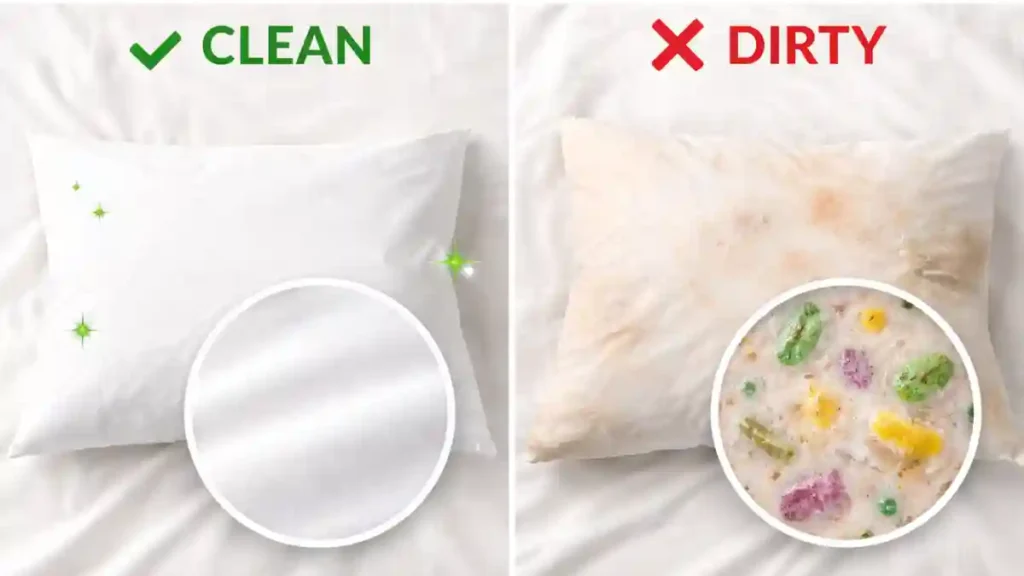
- Dirty Pillowcases and Face Touching Pillowcases collect oil, sweat, dead skin cells, hair products, and bacteria from previous nights. Sleeping on the same unwashed fabric night after night transfers these onto your face, clogging pores. Touching your face with unwashed hands adds even more contaminants.
- Skincare Mistakes Before Bed Skipping proper cleansing, using comedogenic (pore-clogging) moisturizers, or leaving makeup on allows buildup that worsens overnight. Over-exfoliating or applying harsh products right before sleep can also irritate the skin barrier, leading to rebound inflammation.
The Science Behind Overnight Pimples
A pimple starts when a hair follicle becomes blocked by excess oil and dead skin cells. Bacteria then feed on the trapped sebum, causing the immune system to respond with inflammation. While the full cycle can take 1-4 weeks, the final inflammatory stage can intensify quickly, sometimes overnight, due to hormonal surges, reduced skin oxygenation while sleeping, and external factors like pillow contact.
This explains the “sudden” appearance: the groundwork was already laid, but sleep conditions accelerated the visible swelling and redness.
How to Stop Pimples from Appearing Overnight (Prevention Tips)
Prevention is more effective than treatment. Build these habits into your evening routine:
- Establish a Consistent Nighttime Skincare Routine: Gently cleanse twice a day (including before bed) with a mild, non-comedogenic cleanser. Follow with a lightweight, oil-free moisturizer suitable for your skin type. Avoid heavy oils or creams if you have oily or acne-prone skin.
- Keep Your Pillowcase Clean: Change your pillowcase at least twice a week (or more if you have oily skin). Opt for breathable fabrics like cotton or silk, which are less likely to trap heat and bacteria.
- Mind Your Diet in the Evening: Reduce high-sugar, processed, or dairy-heavy foods after dinner. Stay hydrated and consider adding anti-inflammatory foods, such as leafy greens and omega-3 sources.
- Manage Stress Before Bed: Practice relaxation techniques such as deep breathing, light stretching, or reading to lower cortisol levels. Good sleep quality itself helps regulate hormones.
- Avoid Face Touching and Makeup at Night: Remove all makeup thoroughly and keep your hands away from your face. Wash pillowcases and sheets regularly to minimize bacterial transfer.
How to Get Rid of Overnight Pimples Fast (Same-Day Solutions)
When a pimple does appear, act quickly to reduce its size and redness:
- Start with Ice: Wrap an ice cube in a clean cloth and hold it against the pimple for 1–2 minutes at a time (repeat several times). This constricts blood vessels, reduces swelling, and soothes pain.
- Use Targeted Spot Treatments: Apply a product containing benzoyl peroxide (2.5–5% strength) to kill bacteria and dry out the blemish. Alternatively, use salicylic acid (0.5–2%) to unclog pores and exfoliate gently. Dab a thin layer directly on the pimple after cleansing.
- Try Natural Options with Caution: Diluted tea tree oil can have antibacterial properties, but always patch-test first and dilute properly to avoid irritation.
- Avoid Popping or Squeezing: This can push bacteria deeper, increase inflammation, and lead to scarring or prolonged healing.
- Hydrate and Protect: Use a lightweight, non-comedogenic moisturizer even on breakout days to prevent your skin from overproducing oil in response to dryness.
For stubborn or painful cysts, consult a dermatologist, they may offer faster options like a quick cortisone injection in severe cases.

When to See a Dermatologist
Visit a skin specialist if:
- Pimples appear frequently and severely overnight
- You notice deep, painful cystic acne
- Breakouts leave scars or dark marks
- Over-the-counter treatments show no improvement after 6–8 weeks
- Sudden adult-onset acne appears (especially after age 50, which may signal other health issues)
Professional treatments like prescription topicals, oral medications, or light therapies can provide longer-term control.
FAQ
Why do pimples appear on the chin or jawline overnight?
This area is often linked to hormonal fluctuations, particularly around the menstrual cycle or due to stress.
Can stress really cause pimples to appear overnight?
Yes. Stress raises cortisol, which boosts oil production and inflammation, making hidden clogs more visible quickly.
How long do overnight pimples usually last?
With proper care, a mild pimple can shrink significantly in 1-3 days, though full healing may take a week or more.
Do pillowcases actually cause acne?
They can contribute significantly by transferring bacteria, oil, and debris. Regular washing helps prevent this.
Is it okay to use benzyl peroxide and salicylic acid together?
In many cases yes, but start with lower strengths and introduce them gradually to avoid dryness or irritation. Many people alternate or use them at different times.
Conclusion
Why do pimples appear overnight usually comes down to a combination of internal factors (hormones, oil, bacteria) and external habits (dirty bedding, poor nighttime skincare, stress). While you can’t stop the entire acne process in one night, consistent prevention steps and quick-response treatments can dramatically reduce morning surprises.
Start tonight: cleanse gently, change your pillowcase, manage stress, and keep spot treatments ready. Many people see noticeable improvement within a few days of adopting better habits.