


Introduction: Easy Exercises for Obese Beginners at Home
Starting a fitness journey can feel overwhelming, especially if you’re obese and new to exercise. Many beginners struggle with low stamina, joint discomfort, shortness of breath, or simply feeling unmotivated after years of being inactive. But the good news is that, you don’t need a gym, expensive equipment, or tough workouts to improve your health. With the right approach, you can start exercising safely and effectively right from your home.
This guide is designed to be safe, realistic, and easy to do proper exercise. It focuses on simple movements that help build strength, improve mobility, and boost your overall well-being and without putting too much stress on your joints. Whether you are completely new to exercise or restarting after a long break, this article will guide you step by step.
Remember: Consistency matters more than perfection. Small steps every day add up to big changes over time. You’ve got this!
Table of Contents
Why Exercise is Important for Obese Beginners
Regular movement brings powerful benefits, even if you are just starting out and carrying extra weight.
Physical Benefits:
- Supports heart health by lowering blood pressure and improving blood circulation
- Helps with gradual weight management
- Improves mobility, making everyday tasks like climbing stairs or walking longer distances much easier
- Strengthens muscles and bones, reducing the risk of future health or joints risk
Mental and Emotional Benefits:
- It helps to releases feel-good chemicals that lift your mood and reduce stress
- Builds confidence as you notice small improvements in energy and how your body feels
- Improves sleep quality
- Creates a positive cycle where better physical health supports stronger mental resilience
Exercise is not just about losing weight; it is about improving your overall health and quality of life. For obese or beginner, a small amount of daily activity can lower the risk of heart disease, help manage blood sugar levels, and make your muscles and joints stronger.
Most importantly, regular movement helps you build consistency. You do not need to aim for perfection. Simply showing up and moving your body each day is a powerful step toward long-term health and feeling better.


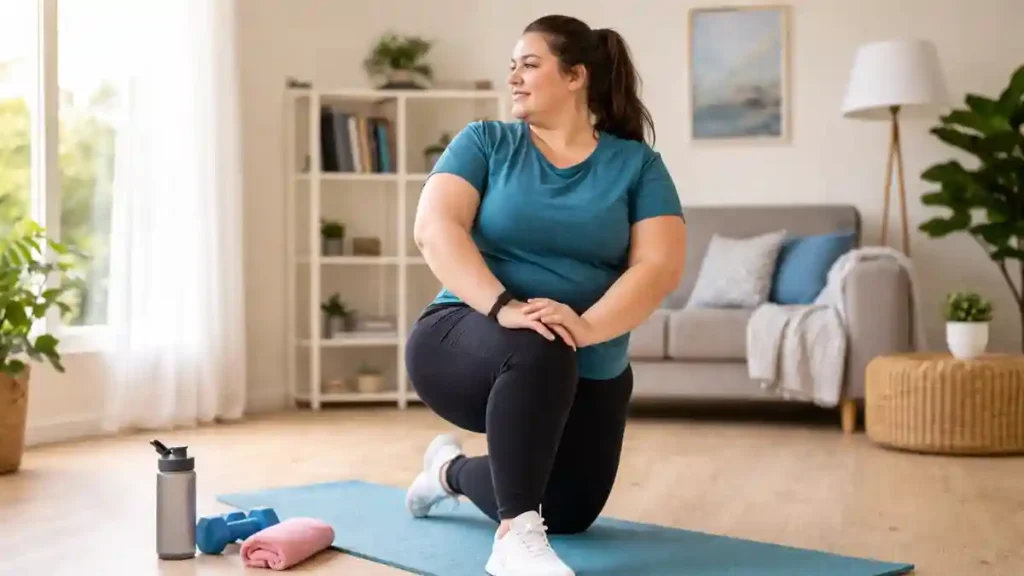
How to Start Exercising Safely at Home
Before jumping into workouts, it is important to understand how to exercise safely. Safety comes first, especially when you are new to exercise and carrying extra weight. The most important thing is to start slow, listen to your body, and focus on building a habit rather than pushing too hard.
Simple Guidelines for Safe Exercise:
- Start with short sessions: Begin with just 5 to 10 minutes per day. As your stamina improves, gradually add more time. This helps prevent burnout or injury.
- Always warm up and cool down: Spend 2 to 3 minutes doing gentle movements like marching in place or arm circles to prepare your body. After your workout, finish with light stretching or deep breathing to relax your muscles.
- Wear comfortable clothes: Choose loose, breathable clothing that allows free movement. Supportive shoes can help if you’re walking or standing a lot.
- Stay hydrated: Drink water before, during, and after your session.
- Listen to your body: Mild muscle fatigue or discomfort is normal. However, stop immediately if you feel sharp pain, dizziness, chest discomfort, or shortness of breath that feels unusual.
If you have any existing medical conditions, it’s best to consult your doctor or healthcare provider before starting a new exercise routine.
Best Easy Exercises for Obese Beginners at Home
These low impact exercises for obese beginners require no equipment and can be modified as needed. Perform them at your own pace.
1. Marching in Place (Indoor Walking)
One of the simplest ways to start is by marching in place. This low-impact exercise gets your heart rate up without putting stress on your joints. Stand comfortably and slowly lift your knees one at a time, swinging your arms naturally.
Duration: Start with 5–10 minutes.
Benefits: This gentle cardio improves heart health, burns calories, and builds leg endurance without joint stress, which is perfect for indoor walking alternatives.
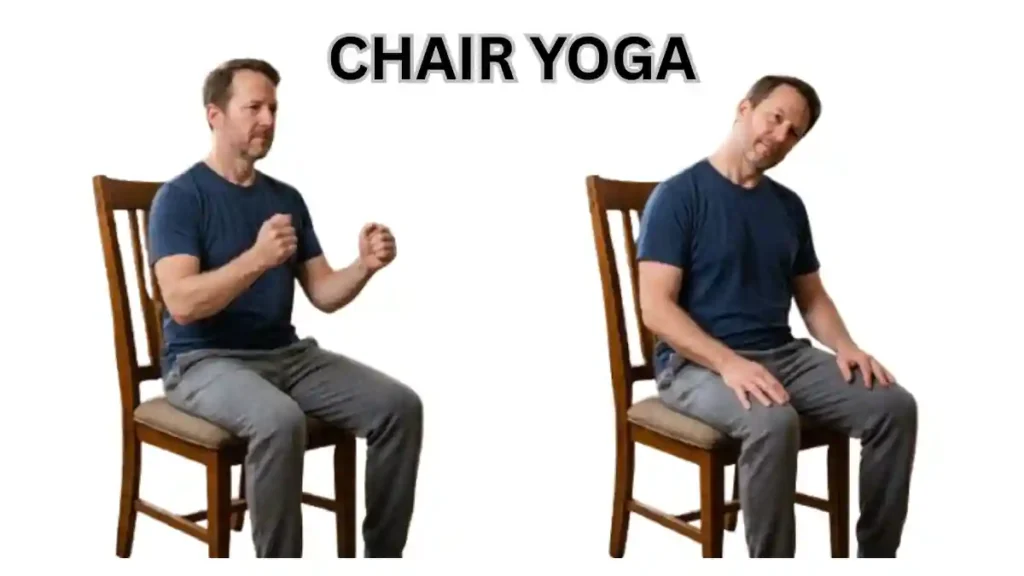
2. Chair Exercises
Chair workouts are perfect if standing for long periods feels difficult. Sit on a sturdy chair and try seated leg lifts, arm raises, or gentle twisting movements. These exercises help strengthen your muscles while providing stability and support.
- Seated leg lifts: Sit tall, extend one leg straight out, hold for 2 to 3 seconds, then lower. Alternate legs.
- Arm raises: Raise arms overhead or out to the sides, then lower slowly.
- Seated marching: Lift knees alternately while seated.
Chair exercises for overweight beginners are excellent because they reduce pressure on joints while strengthening legs, core, and upper body.
3. Sit-to-Stand (Chair Squats)
This exercise helps build lower body strength and improve mobility. Sit on a chair and slowly stand up without using your hands if possible, then sit back down.
First sit near the edge of a sturdy chair with feet flat on the floor. Then, lean slightly forward, stand up using your legs (use arms for light support if needed), then slowly sit back down.
Reps for beginners: 5 to 10 repetitions, 1 to 2 sets.
This functional move builds leg and glute strength for better daily mobility.
4. Wall Push-Ups
Wall push-ups are a beginner-friendly way to build upper body strength. First, stand facing a wall at arm’s length. Then, place palms on the wall at shoulder height, bend elbows to lean in, then push back. Keep your body straight.
It helps to targets chest, shoulders, and arms with minimal joint impact.
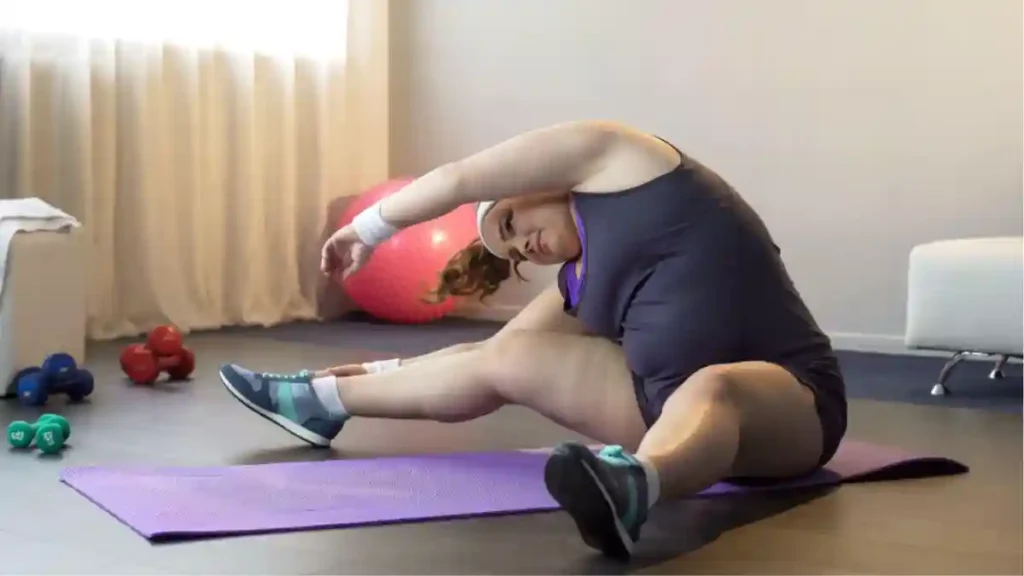
5. Gentle Stretching / Yoga
Stretching helps improve flexibility and reduce stiffness. Focus on simple poses like seated forward folds, gentle neck rolls, or cat-cow on all fours (or seated version). Hold stretches for 15 to 30 seconds.
It improves flexibility, reduces stiffness in hips and back, and promotes relaxation.
6. Step-Ups (Low Platform)
Using a low step or sturdy platform, step up with one foot and then bring the other foot up. Step down slowly and repeat.
This exercise improves balance, strengthens your legs, and provides light cardio benefits. This combines safe cardio and strength for balanced lower-body work.
7-Day Beginner Workout Plan (At Home)
Creating a simple routine for obese beginners to build habits and consistency. Here is an easy weekly plan:
- Day 1–2: Light movement like: 5 to 10 minutes of marching in place + gentle arm circles and seated marching.
- Day 3–4: Add strength like: Marching (5 to 8 min) + chair exercises (leg lifts, arm raises) + 5–8 sit-to-stands.
- Day 5–6: Increase time like 15 to 20 minutes total: Marching or step-ups + wall push-ups + chair work + light stretching.
- Day 7: Active rest: Gentle stretching/yoga or a slow indoor walk for recovery.
Repeat the cycle weekly, adding a minute or two as you feel stronger.
Common Mistakes to Avoid
Many people run into exercise mistakes beginners’ overweight make when starting:
- Doing too much too soon, this leads to soreness or quitting.
- Skipping warm-up, increasing injury risk.
- Comparing you to others on social media.
- Ignoring body signals like excessive fatigue or pain.
Focus on your own progress and modify as needed.
Conclusion
Starting your fitness journey does not have to be complicated. With these easy exercises for obese beginners at home, you can begin safely and confidently. The most important step is simply getting started. Listen to your body, and celebrate every session. Consistency beats perfection, over time; you will build strength, energy, and confidence.
FAQ
What are the best exercises for obese beginners at home?
Low-impact options like marching in place, chair exercises, sit-to-stand movements, wall push-ups, and gentle stretching are safe and effective starters.
How long should obese beginners exercise daily?
Begin with 5–10 minutes and gradually build to 15–30 minutes most days. Quality and consistency matter more than long sessions early on.
Can I lose weight with home workouts only?
Yes, home workouts can support weight loss when combined with a balanced diet and sustained over time. They improve metabolism and create a calorie deficit through movement.
Is walking enough for weight loss?
Walking (including marching in place) is a great foundation, but adding light strength exercises helps preserve muscle and boost long-term results.
What is the safest exercise for overweight beginners?
Chair-based movements and marching in place are among the safest, as they minimize joint stress while building endurance and strength. Always prioritize form and start slowly.