Why your 30s are the new 50s for heart health – new 2026 cholesterol guidelines explained
Introduction: Why your 30s are the new 50s for cholesterol & heart health
To be honest, when we are in our 30s and feeling quite healthy, “heart disease” or “cholesterol” might feel like a problem for “older people”. But according to the 2026 cholesterol guidelines from leading U.S. health organizations like the American College of Cardiology (ACC) and American Heart Association (AHA), our thinking is not true. The American College of Cardiology, the American Heart Association, and other leading groups are now recommending that we start earlier screening and action on cholesterol, potentially as early as our 30s, to reduce the lifetime risk of heart attacks and strokes because heart disease does not start when symptoms appear; it starts much earlier.
In short, your 30s are the new 50s when it comes to protecting your heart. These guidelines emphasize that, rather than waiting until middle age, “bad” cholesterol (LDL-C) and other lipids should be addressed much earlier through lifestyle changes.
Table of Contents
What changed in the 2026 cholesterol guidelines?
According to the recent 2026 ACC/AHA Multisociety Guideline on the Management of Dyslipidemia, which replaces the 2018 version, and emphasizes one core idea that “reduce your lifetime exposure to harmful lipids”.
Key updates includes:
1. An ‘early warning’ for youth
Individuals around the age of 30 are now being taken seriously. Previously, it was assumed that having “young blood” meant everything was fine; however, the focus has now shifted to ‘early intervention’ that is, preventing a problem before it even begins.
2. The new ‘PREVENT-ASCVD’ calculator
Traditional methods only projected risk for the next 10 years. Now, however, the PREVENT-ASCVD tool will be utilized designed for individuals aged 30 to 79. This tool assesses not just the 10-year risk, but also the 30-year risk. This provides a clear picture of how one’s current lifestyle choices will impact their health in later life.
3. Lp(a) screening: One-Time Necessity
This constitutes the most significant update. Lipoprotein(a) is a genetic factor that does not appear in standard cholesterol tests, yet it significantly increases the risk of a heart attack. The new guidelines recommend that every adult undergo this test at least once in their lifetime, as it cannot be altered through exercise or diet, it is determined by your genes.
4. The right balance: lifestyle and medication
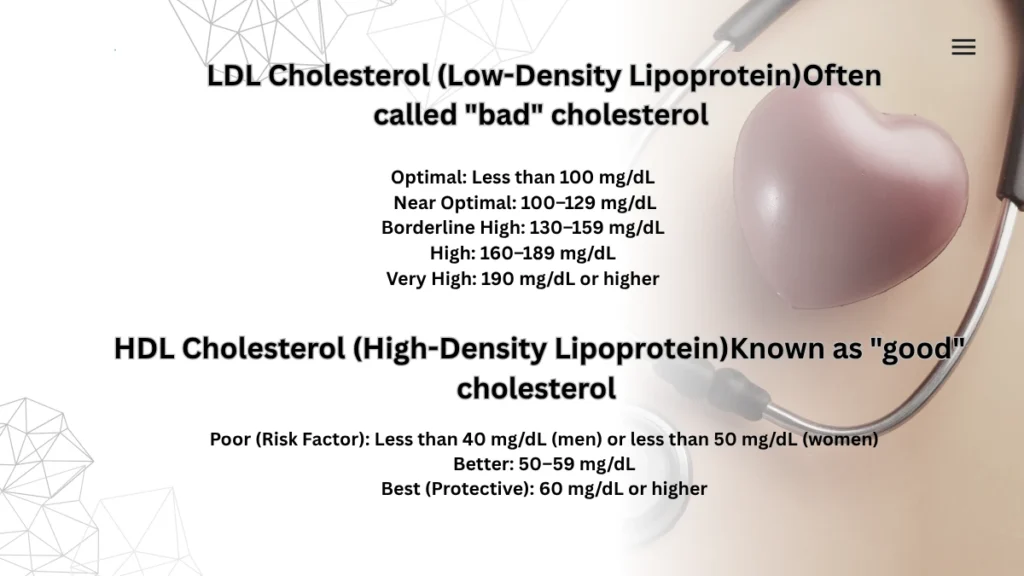
A healthy diet and regular exercise remain paramount; however, doctors are no longer willing to take unnecessary risks. If an individual’s LDL-C (bad cholesterol) levels are at 160 mg/dL or higher, or if there is a family history of early-onset heart disease, the initiation of medication will no longer be delayed.
5. New and stricter cholesterol ‘goals’
The definition of “normal” has now evolved. For the majority of people, the target is to maintain LDL-C levels below 100 mg/dL. Furthermore, for individuals with pre-existing risk factors, this target will be set even lower to ensure there is absolutely no room for arterial blockages to develop.
Why cholesterol screening in your 30s matters:
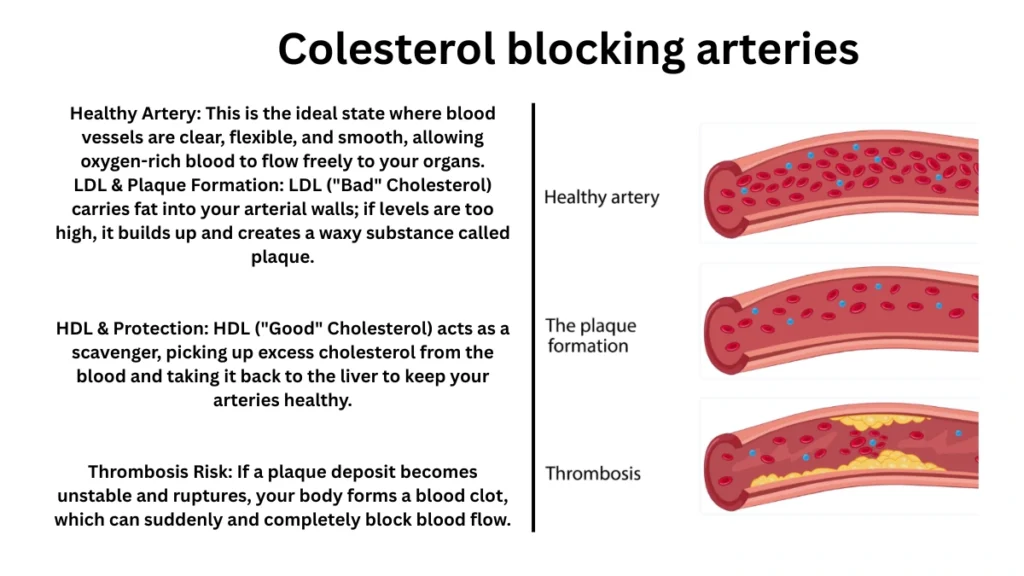
The most terrifying part of high cholesterol is that it is a “silent killer”. By the time you begin to notice the symptoms, your arteries have already become significantly blocked. By the time most of the people hit their 50s or 60s with noticeable issues, like “plaque” (fatty deposits) buildup in their bodies for years.
Heart attacks often happen suddenly without warning; the new guidelines acknowledge that prolonged exposure to elevated LDL cholesterol increases the risk of health issue. By addressing this as early as age 30s, when changing habits is easier you can avoid problems that may arise decades later.
Who needs cholesterol screening now?
The 2026 guidelines from the American College of Cardiology (ACC) and the American Heart Association (AHA) mark a significant shift in how we approach heart health. Here is a clear breakdown of who needs screening under the updated 2026 standards.
1. The new standard: adults in their 30s
- The most substantial change focuses on early intervention. Even if you feel perfectly healthy, the guidelines now recommend that all adults aged 30–39 should:
- Obtain a baseline lipid panel: To identify “silent” high cholesterol early.
- Assess long-term risk: Shifting the focus from 10-year risk to lifetime cardiovascular health.
- Establish prevention habits: Catching high LDL (bad cholesterol) now prevents decades of arterial plaque buildup.
2. Individuals with family history
- If heart disease is in your DNA, the clock starts even earlier. You should seek screening in your 20s if:
- A first-degree male relative had a heart attack before 55.
- A first-degree female relative had a heart attack before 65.
- There is a known history of Familial Hypercholesterolemia (genetically high cholesterol).
3. Those with Pre-existing health conditions
- Cholesterol does not act in a vacuum; it is compounded by other metabolic issues. Regular screening is critical if you have.
- Diabetes or Insulin Resistance: High blood sugar damages artery walls, making it easier for cholesterol to stick.
- Hypertension (High Blood Pressure): This adds mechanical stress to the heart alongside chemical stress from lipids.
- Kidney or Thyroid Disorders: These conditions can directly alter how your body processes fats.
Fitness and diet tips for heart health backed by the guidelines:
Diet tips to lower LDL naturally:
- Emphasize fruits, vegetables, whole grains, nuts, legumes, and fiber-rich foods.
- Replace saturated fats (think red meat, full-fat dairy, fried foods) with healthier unsaturated fats from olive oil, avocados, fatty fish, and nuts.
Fitness recommendations:
- Get at least 150 minutes of moderate-intensity aerobic activity per week (brisk walking, cycling, swimming) or 75-150 minutes of vigorous activity.
- Add resistance training (weights or bodyweight exercises) at least 2 days a week.
Other habits:
- Maintain a healthy weight.
- Prioritize 7-9 hours of quality sleep.
- Quit (or don’t start) tobacco use.
- Manage stress and limit alcohol.
FAQ
At what age should I check cholesterol?
According to 2026 guidelines, start in your 30s (or earlier if high risk).
How often should cholesterol be checked?
Every 5 years, or more often if high risk.
Can I lower cholesterol without medication?
Yes, diet, exercise, and weight loss are highly effective.
Are statins safe for young adults?
Yes, when prescribed appropriately by a doctor.
Do I really need to worry about cholesterol in my 30s if I feel fine?
Yes, because prevention works best before symptoms appear. The new guidelines stress the need to act on lifetime risk.
Are statins safe to start in your 30s?
When appropriate and discussed with your doctor, yes. Benefits often outweigh risks for those who truly need them.
Can diet and exercise alone fix high cholesterol?
For many people with moderately elevated levels, yes especially if started early.
Conclusion:
The 2026 ACC/AHA cholesterol guidelines deliver a clear message: Don’t wait until your 50s to care about your heart. Starting smart habits and screening in your 30s can help you avoid heart attacks and strokes down the road.