Best Diet for Fatty Liver Disease: Beginner’s Guide to Healing Your Liver Naturally (2026 Update)
If you have recently discovered that you have fatty liver disease (also known as Metabolic Dysfunction-Associated Steatotic Liver Disease, or MASLD), there is no need to worry, as you are not alone; and the good news is that your liver is incredibly resilient and you can naturally reverse it by making some simple changes to your diet. Many people feel confused at the start; however, the best approach is not to follow strict rules or spend money on expensive medicine and supplements. Instead, focus on eating simple, healthy food, meals you genuinely enjoy, since this helps your liver heal naturally over time.
The Mediterranean diet is one of the best ways to manage fatty liver disease. It focuses on simple, natural foods like vegetables, fruits, whole grains, healthy fats, and lean protein. At the same time, it reduces sugar, refined carbs, and unhealthy fats. Studies show that this way of eating can lower liver fat and inflammation, even if you don’t lose a lot of weight, and it also supports heart and overall health.
This beginner-friendly guide will help you step by step in a simple way. You’ll understand what fatty liver is, why your diet matters, what foods to eat and avoid, get an easy 7-day meal plan, and learn practical lifestyle tips you can start using right away.
Important medical disclaimer: This article is for informational purposes only and is not a substitute for personalized medical advice. Always consult your doctor or a registered dietitian before making significant dietary changes, especially if you have other health conditions.
What is fatty liver disease?
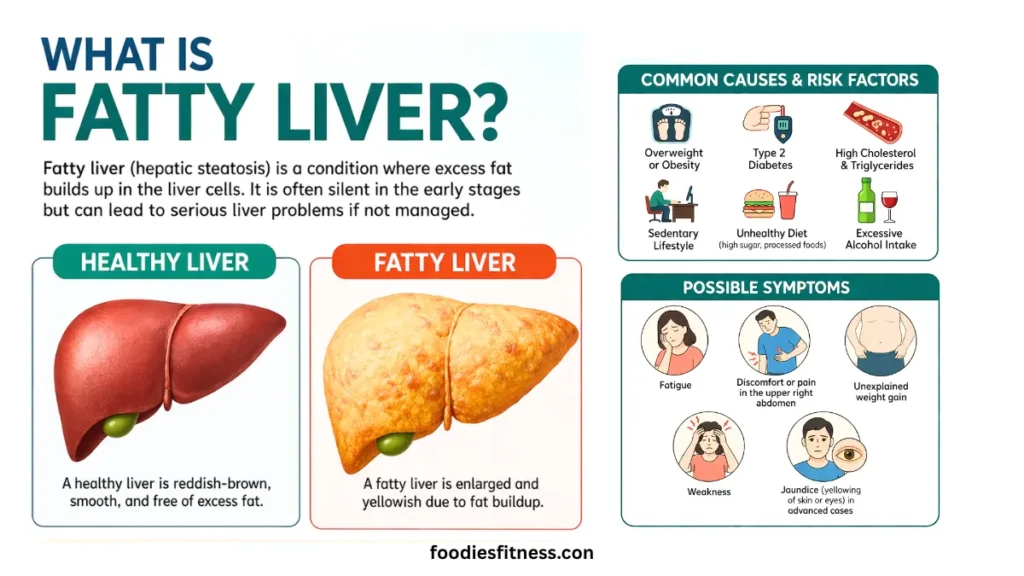
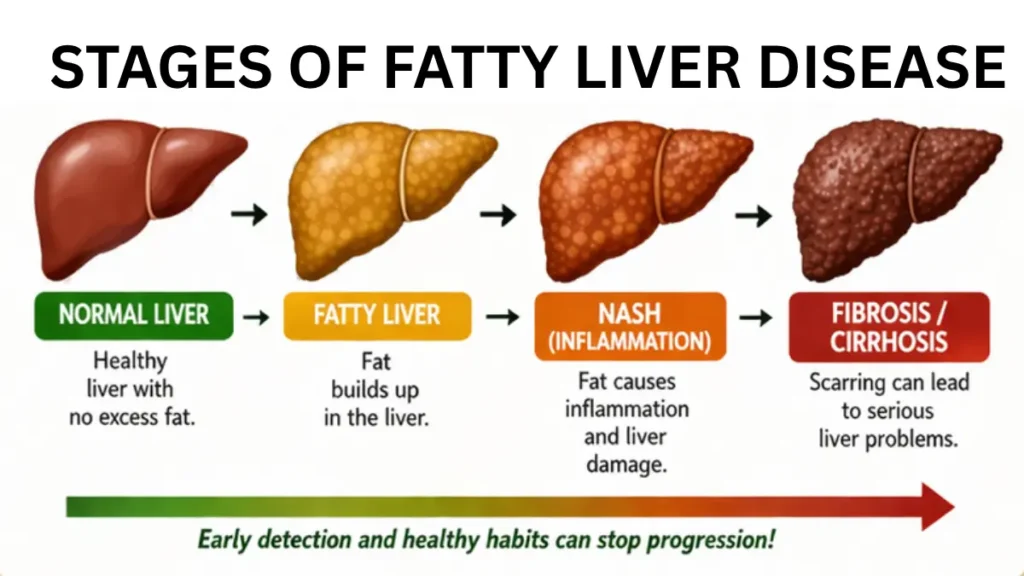
Fatty liver disease, now often called Metabolic Dysfunction-Associated Steatotic Liver Disease (MASLD) happens when too much fat builds up in your liver cells. In the early stage, known as simple fatty liver, it usually doesn’t cause any noticeable symptoms, which is why many people don’t even realize they have it. However, if it’s not managed in time, it can progress to inflammation (called steatohepatitis), liver scarring, and more serious health problems.
This condition is becoming very common today, affecting over 30% of adults worldwide. Several factors increase your risk, including being overweight, having insulin resistance or type 2 diabetes, and high cholesterol levels. Even people who appear slim can develop fatty liver due to poor lifestyle habits.
The good news is that fatty liver, especially in its early stages can often be improved or even reversed. Simple lifestyle changes, particularly eating a healthy diet and staying physically active, play the biggest role in healing the liver.
Types of fatty liver disease
There are mainly two types:
- Non-alcoholic fatty liver disease (NAFLD/MASLD): caused by poor diet, obesity, and lifestyle
- Alcoholic fatty liver disease: caused by excessive alcohol consumption.
Most people today suffer from the non-alcoholic type, driven by modern eating habits and poor lifestyles.
Why the Mediterranean diet is best for fatty liver (Especially for Beginners)
The Mediterranean diet is one of the best and easiest diets to follow for fatty liver disease. It stands out because it is backed by science, simple to follow, and enjoyable in everyday life.
First, it is evidence-based, which means many studies have shown that it helps reduce liver fat, improves insulin sensitivity, and lowers inflammation. Second, it is sustainable and enjoyable. Instead of strict rules or cutting out entire food groups, it focuses on tasty, natural foods like vegetables, fruits, whole grains, healthy fats, and lean proteins. Third, it is beginner-friendly. You don’t need to change everything at once; simple changes in your meals can make a big difference over time.
This diet is especially helpful for your liver because it includes foods that naturally support healing. It is rich in antioxidants and polyphenols from fruits, vegetables, and olive oil, which help protect your liver from damage. It also provides healthy fats, like monounsaturated fats and omega-3 fatty acids, which reduce inflammation in the body. On top of that, it contains plenty of fiber from plant-based foods, helping improve digestion and control blood sugar levels.
At the same time, the Mediterranean diet naturally reduces foods that harm your liver, such as saturated fats, added sugars, and processed foods, which are major causes of fat buildup in the liver.
The best part is that you don’t need to be perfect. Even following this diet partially can lead to real improvements. Many beginners start noticing better energy levels, improved digestion, and easier weight control within just a few weeks.
Foods to Eat: Build a Liver-Friendly Plate
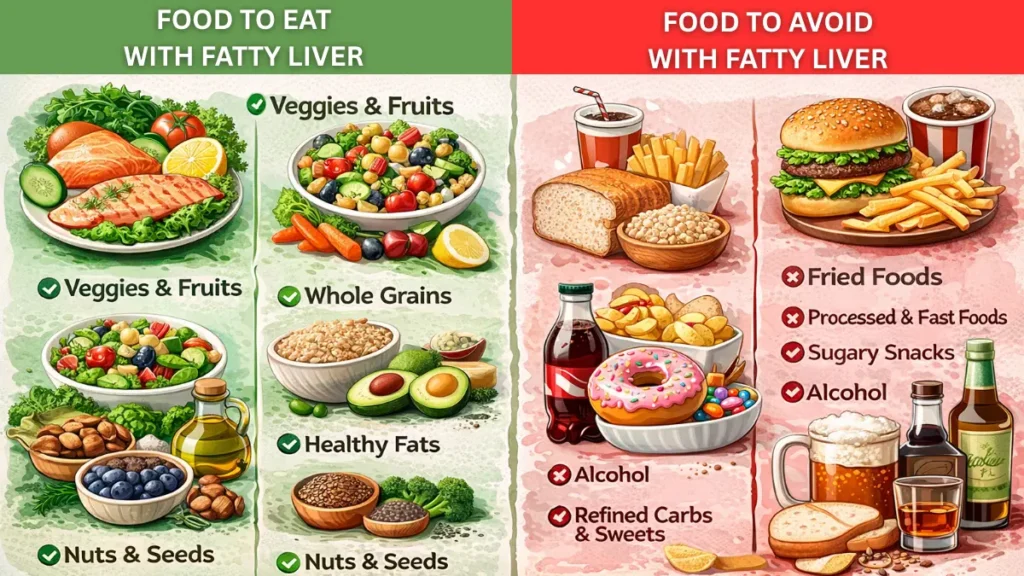
If you want to improve fatty liver, the easiest place to start is your plate. Instead of over thinking calories or strict diets, focus on balance diet. A simple rule works really well, fill half your plate with vegetables, one-quarter with whole grains or healthy carbs, and one-quarter with lean protein. Use extra virgin olive oil as your main cooking fat. This approach keeps your meals simple, nutritious, and effective for liver health.
Vegetables (3–4 servings daily)
Vegetables should be the biggest part of your diet. They are full of fiber, vitamins, and antioxidants that help reduce liver fat and inflammation. The best options are including broccoli, spinach, kale, carrots, asparagus, bell peppers, zucchini, cucumbers, tomatoes, and other leafy greens. You can eat them fresh, lightly cooked, or even frozen (just avoid added sauces). The more variety is better for your overall health.
Fruits (2–3 servings daily)
Fruits are naturally sweet and rich in nutrients, making them a healthier alternative to sugary snacks. Choose whole fruits like berries (blueberries, strawberries), apples, oranges, pears, grapes, and cherries. Whole fruits are always better than fruit juices because they contain fiber, which helps control blood sugar levels and supports your liver.
Whole Grains
Switching to whole grains is a smart move for fatty liver. Foods like oats, brown rice, quinoa, barley, and whole wheat bread or pasta provide steady energy and help manage insulin levels. Just keep portions moderate and avoid highly processed grain products.
Healthy Fats
Not all fats are harmful, some actually protect your liver. Use extra virgin olive oil as your primary fat (about 2–4 tablespoons daily). You can also include avocados, nuts like almonds and walnuts, and seeds such as flaxseeds and chia seeds. These contain healthy fats that reduce inflammation and support heart health.
Lean Protein Sources
Protein helps your body repair and maintains healthy tissues, including your liver. Choose lean protein like fatty fish (salmon, mackerel, sardines, tuna) 2–3 times a week, skinless chicken, eggs in moderation, and plant-based proteins like lentils, beans, chickpeas, tofu, or tempeh. These food help to keep your metabolism stable.
Dairy and Alternatives
If you consume dairy, then go for low-fat or fat-free options. Plain, unsweetened Greek yogurt, low-fat cheese, and cottage cheese are good choices. You can also use unsweetened plant-based milk like almond or oat milk.
Herbs, Spices, and Drinks
Simple additions can make a big difference. Use garlic, turmeric, ginger, and herbs like basil or oregano to add flavor and health benefits. Drink green tea or black coffee (up to 2–3 cups daily), as both are known to support liver health. Don’t forget water; adding a slice of lemon can make it more refreshing. It may help reduce liver fat and inflammation
Foods to limit or avoid for Fatty Liver
Just as important as what you eat is what you reduce. Cutting down on certain foods can prevent further fat buildup and help your liver recover faster.
Added Sugars and Sugary Drinks
Try to avoid soda, packaged fruit juices, energy drinks, candy, baked goods, and sweetened yogurt. These foods are high in sugar and can quickly increase fat storage in the liver.
Refined Carbohydrates
Foods like white bread, white rice, pastries, and many breakfast cereals are highly processed and low in fiber. They spike blood sugar levels and contribute to liver fat over time.
Saturated and Trans Fats
Limit fatty cuts of red meat, processed meats (like bacon, sausages, and deli meats), butter, fried foods, and fast food. These unhealthy fats increase inflammation and can worsen fatty liver.
Highly Processed Foods
Packaged snacks such as chips, cookies, and ready-to-eat foods often contain excess salt, sugar, and unhealthy oils. Eating them regularly can slow down your progress.
Alcohol
Alcohol puts extra stress on your liver. If you have fatty liver, it’s best to avoid it completely or limit it as much as possible.
Simple Tip
You don’t need to change everything overnight. Start small. Replace one or two unhealthy items each week. For example, swap soda for sparkling water with lemon or replace chips with a handful of nuts. These small changes may seem simple, but over time, they can make a big difference in improving your liver health.
7-Day Beginner Meal Plan for Fatty Liver Disease (Simple & Easy to Follow)
Starting a healthy diet can feel confusing, but it doesn’t have to be complicated. This Mediterranean-style 7-day meal plan is designed especially for beginners. It focuses on simple, home-cooked meals using olive oil, fresh vegetables, lean protein, and whole grains. There’s no need to measure everything strictly, just eat mindfully, listen to your hunger, and adjust portions based on your needs. Throughout the day, stay hydrated with water, herbal tea, or black coffee.
Day 1: Clean & Fresh Start
Begin your journey with light and nourishing foods that are easy on your liver.
Breakfast: Overnight oats made with rolled oats, unsweetened almond milk, fresh berries, chopped walnuts, and a pinch of cinnamon.
Lunch: A large bowl of mixed green salad with chickpeas, cherry tomatoes, cucumber, and bell peppers, drizzled with olive oil and lemon juice.
Dinner: Baked salmon served with steamed broccoli and a small portion of quinoa.
Snack: Fresh apple slices with a spoon of almond butter.
Day 2: Balanced & Filling Meals
Focus on fiber and protein to keep your energy stable throughout the day.
Breakfast: Plain Greek yogurt topped with fresh strawberries and a handful of almonds.
Lunch: Warm lentil soup cooked with carrots and spinach, paired with a slice of whole-grain toast.
Dinner: Grilled chicken breast with roasted zucchini, tomatoes, and brown rice.
Snack: Carrot sticks with a small serving of hummus.
Day 3: Protein & Fiber Boost
This day helps support metabolism and keeps you feeling full longer.
Breakfast: Vegetable omelet with spinach, tomatoes, and bell peppers, served with whole-grain toast and a few slices of avocado.
Lunch: Quinoa salad mixed with black beans, colorful vegetables, olive oil, and herbs.
Dinner: Baked white fish (like cod) with asparagus and roasted sweet potato wedges.
Snack: A fresh pear with a few walnuts.
Day 4: Plant-Based Focus
Give your digestive system a break with more plant-based meals.
Breakfast: A green smoothie made with spinach, banana, berries, flaxseeds, and unsweetened plant milk.
Lunch: Hearty bean and barley soup with a side of fresh spinach salad.
Dinner: Stir-fried tofu with broccoli, carrots, and brown rice, cooked in olive oil.
Snack: Sliced cucumber with a light Greek yogurt dip.
Day 5: Light & Nutritious Choices
Keep meals simple, balanced, and full of natural flavors.
Breakfast: Oatmeal topped with sliced apple, cinnamon, and chia seeds.
Lunch: Tuna salad (in water) mixed with Greek yogurt and vegetables, served over leafy greens.
Dinner: Grilled chicken or turkey with a large mixed vegetable salad and olive oil dressing.
Snack: A handful of fresh mixed berries.
Day 6: Heart-Healthy Eating
Focus on healthy fats and wholesome ingredients.
Breakfast: Whole-grain toast topped with avocado, tomato slices, and a boiled egg.
Lunch: Chickpea salad with cucumber, onion, herbs, and olive oil-lemon dressing.
Dinner: Baked salmon or mackerel served with green beans and barley.
Snack: One orange with a small handful of almonds.
Day 7: Simple & Satisfying Finish
End your week with meals that are both healthy and comforting.
Breakfast: Greek yogurt parfait layered with berries and seeds.
Lunch: Vegetable stir-fry with lentils and quinoa.
Dinner: Herb-roasted chicken or fish with a large portion of roasted non-starchy vegetables.
Snack: Fresh apple sprinkled with a little cinnamon.
Helpful Tips for Better Results
This meal plan works best when you keep things simple and consistent. Cook at home as much as possible, use olive oil instead of butter, and add flavor with herbs, spices, and lemon instead of heavy sauces.
Small daily improvements can lead to big changes. By following this plan, you’re not just eating healthier you are actively hell your liver naturally and improving your overall health.
Conclusion: Your First Step towards a Healthier Liver
Healing fatty liver starts with small, simple changes. You don’t need to be perfect, just focus on building healthy habits with natural, whole foods like those in the Mediterranean diet.
Start today by adding more vegetables, using olive oil, cutting down on sugar, and staying active. These small steps can slowly improve your liver health and overall well-being.
You’ve already taken the first step by reading this guide and keep going. You can support your liver naturally.