


Thyroid is a tiny butterfly-shaped gland in your neck, but it has a massive impact on how you feel every single day. It regulates your metabolism, energy levels, mood, weight, and even your heart rate. When something goes wrong, whether it’s producing too little or too much hormone, your whole body can feel off.
Millions of people deal with thyroid issues, especially women, and many don’t realize it until symptoms become hard to ignore. But the good news is that catching thyroid symptoms early can make a huge difference. In this guide, we will walk through the most common signs, differences between hypothyroidism and hyperthyroidism, causes, diet tips, and when it’s time to see a doctor.
Table of Contents
What Are Thyroid Symptoms, Really?
Thyroid symptoms occur when your thyroid gland isn’t producing the right amount of hormones (T3 and T4). These hormones control how your body uses energy. Too little hormone slows everything down (hypothyroidism). Too much speeds it up (hyperthyroidism).
Common thyroid symptoms include:
- Changes in weight
- Fatigue or low energy
- Mood swings
- Hair and skin changes
Top 10 Early Warning Signs of Thyroid Problems
Here are the most common early thyroid symptoms to watch for:
- Unexplained weight changes: Gaining weight despite no change in diet or exercise, or losing weight without trying.
- Persistent fatigue: Feeling exhausted even after a full night’s sleep.
- Mood changes: Anxiety, irritability, depression, or “brain fog.”
- Hair and skin issues: Thinning hair, dry skin, or brittle nails.
- Temperature sensitivity: Feeling cold all the time or suddenly intolerant to heat.
- Changes in heart rate: Slower or faster heartbeat than usual.
- Menstrual irregularities (in women): Heavier, lighter, or irregular periods.
- Constipation or digestive issues.
- Muscle aches or joint pain.
- Swelling in the neck (goiter).

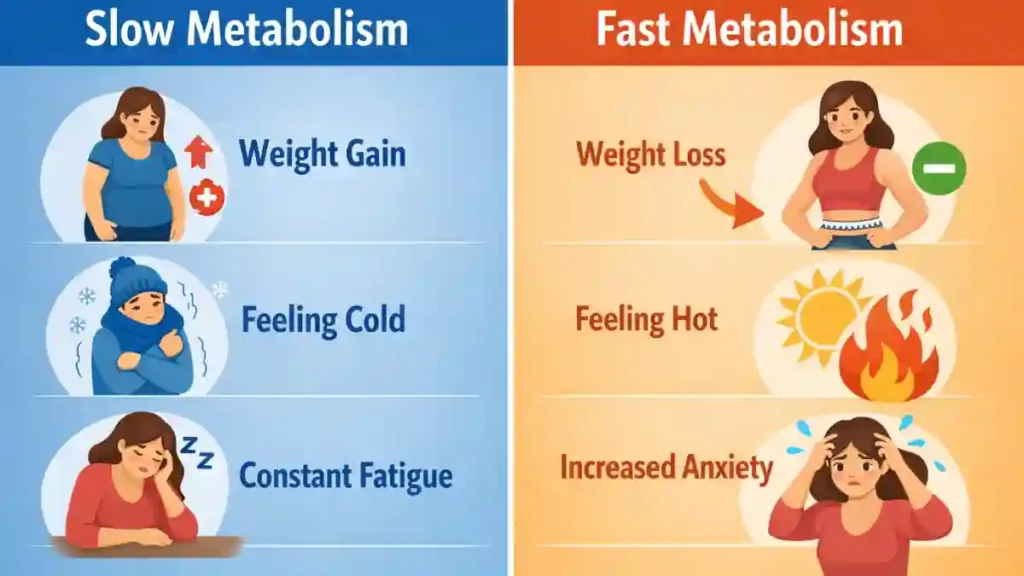
Hypothyroidism Symptoms (Underactive Thyroid)
This is the most common type in the United States. The thyroid doesn’t make enough hormones, so your metabolism slows down.
Key hypothyroidism symptoms include:
- Unintentional weight gain
- Extreme tiredness and sluggishness
- Feeling cold even in warm rooms
- Depression, memory problems, or difficulty concentrating
- Dry skin, hair loss, and brittle nails
- Constipation
- Puffy face
- Slow heart rate
Women over 30-40 are at higher risk, especially if they have a family history.
Hyperthyroidism Symptoms (Overactive Thyroid)
Here, the thyroid produces too much hormone, revving up your body’s systems.
Common hyperthyroidism symptoms:
- Rapid or unexplained weight loss
- Racing heart or palpitations
- Anxiety, nervousness, or irritability
- Excessive sweating and heat intolerance
- Trouble sleeping (insomnia)
- Tremors in hands
- Frequent bowel movements
- Thinning hair
Graves’ disease is a common cause of this type.
Why Women Experience More Thyroid Symptoms
Women are 5-8 times more likely to develop thyroid disorders than men. Hormonal shifts during pregnancy, menopause, and monthly cycles play a big role. If you’re a woman noticing fatigue, weight struggles, or period changes, it’s worth getting checked, especially after age of 35.
What Causes Thyroid Problems?
Common causes include:
- Autoimmune conditions (like Hashimoto’s thyroiditis or Graves’ disease)
- Iodine deficiency (less common in the US due to iodized salt, but still possible)
- Genetics and family history
- Stress and chronic inflammation
- Certain medications or treatments (like radiation)
- Pregnancy-related changes
Environmental factors and diet can also influence thyroid health.
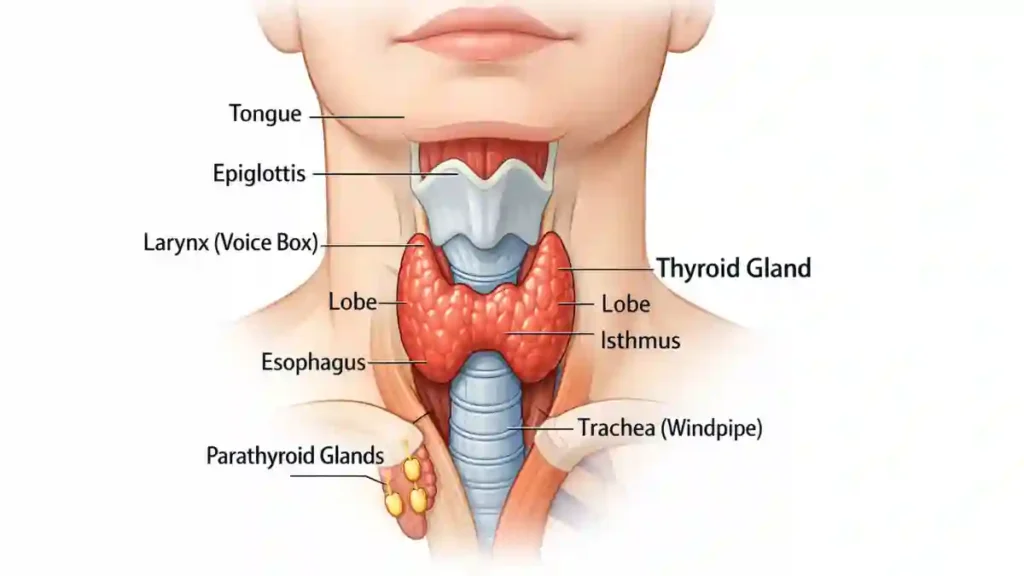
Simple At-Home Thyroid Neck Check
While this isn’t a substitute for lab tests, you can do a quick self-exam:
- Stand in front of a mirror with your neck exposed.
- Tilt your head back slightly.
- Take a sip of water and swallow.
- Look for any bulging or swelling below your Adam’s apple.
Repeat a few times. If you notice anything unusual, mention it to your doctor.
Pro tip: Keep a simple thyroid symptoms checklist on your phone for a couple of weeks. Note your energy, weight, mood, and any other changes.
Best Foods and Diet Tips for Thyroid Support
A thyroid-friendly diet can help support your treatment.
Foods to include:
- Selenium-rich foods: Brazil nuts, tuna, eggs
- Iodine sources: Seafood, seaweed, dairy, iodized salt (in moderation)
- Anti-inflammatory foods: Berries, leafy greens, olive oil, fatty fish
- Zinc sources: Pumpkin seeds, chickpeas, beef

Foods to limit:
- Highly processed foods and added sugars
- Excessive soy products
- Raw cruciferous vegetables (broccoli, kale, cauliflower) in very large amounts if you have hypothyroidism
Always talk to your doctor or a registered dietitian before making big changes, especially if you’re on medication.
When Should You See a Doctor?
Don’t wait if:
- Symptoms last more than 2–3 weeks
- You have extreme fatigue or sudden weight changes
- You notice neck swelling or difficulty swallowing
- You’re struggling with fertility or menstrual issues
A simple blood test (TSH, Free T4, and sometimes T3 or antibodies) is the gold standard for diagnosis.
Treatment Options for Thyroid Disorders
Most thyroid conditions are very manageable:
- Hypothyroidism: Usually treated with daily levothyroxine (synthetic thyroid hormone)
- Hyperthyroidism: Medications to block hormone production, radioactive iodine, or surgery in some cases
- Lifestyle support: Stress management, regular exercise, and consistent sleep
With the right treatment, most people feel significantly better within weeks to months.

FAQs About Thyroid Symptoms
What are the very first signs of thyroid problems?
Fatigue, unexplained weight changes, and mood shifts are often the earliest clues.
Can thyroid symptoms come and go?
Yes, especially in the early stages or if hormone levels fluctuate.
Is thyroid disease curable?
Many cases can be managed very well long-term. Some people achieve stable levels and feel normal, while others need ongoing treatment.
How do doctors diagnose thyroid issues?
Primarily through blood tests. Sometimes, ultrasound or antibody tests are added.
Conclusion
Living with thyroid symptoms can feel frustrating, but you’re not alone—and it doesn’t have to control your life. By paying attention to your body’s signals, eating nourishing foods, managing stress, and getting proper medical care, you can feel like yourself again.
If you suspect something’s off, schedule that doctor visit. Early action really does make all the difference.
Disclaimer: This article is for informational purposes only and is not a substitute for professional medical advice. Always consult your healthcare provider for personalized guidance.